








Influencer marketing campaigns have become one of the most powerful ways for brands to build trust, drive engagement, and generate sales in today’s digital landscape. Instead of relying only on traditional ads, brands collaborate with creators who already have loyal audiences on platforms like Instagram, YouTube, and TikTok.
When executed strategically, influencer campaigns don’t just create buzz — they deliver measurable business results and long-term brand equity.
To measure the real impact of these collaborations, brands rely heavily on social media analytics tools that track engagement, reach, and conversions.
An influencer marketing campaign is a structured collaboration between a brand and one or more content creators to promote a product, service, or message to a targeted audience over a defined period.
These campaigns typically include:
Unlike one-off posts, influencer marketing campaigns are planned, goal-oriented, and performance-driven.
If you’re unsure how ROI is calculated, here’s a complete guide on how to calculate social media ROI effectively.
Understanding the types of influencer marketing campaigns helps brands choose the right approach for their goals.
Brands pay influencers to create and share content featuring their product. This is one of the most common campaigns for influencers, especially for product launches.
High-performing sponsored campaigns often depend on strong ad creatives and copywriting strategies similar to those used in paid advertising.
Brands send free products to influencers in exchange for honest reviews or mentions. These are organic-style examples of influencer marketing that build trust.
Influencers earn a commission for every sale generated through a unique link or discount code. These performance-driven influencer campaigns are ROI-focused.
Tracking affiliate-driven influencer campaigns becomes easier when using structured reporting dashboards and campaign audit systems.
Long-term social media influencer partnerships where creators consistently represent the brand.
Brands encourage influencers or customers to create content that can later be reused in ads or on websites.
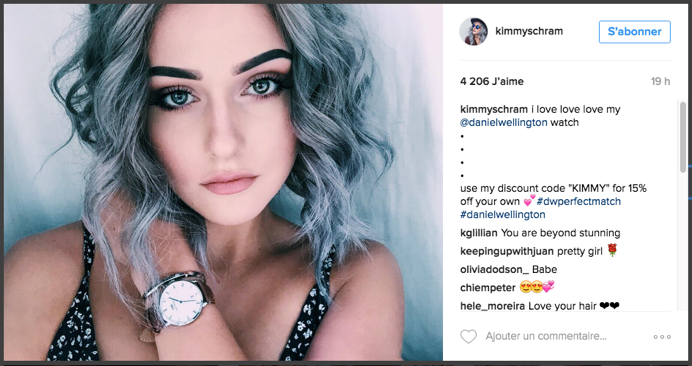

One of the most cited best influencer campaigns, Daniel Wellington collaborated with thousands of micro-influencers globally.
This remains one of the most successful influencer marketing campaigns due to consistency and trackable performance.

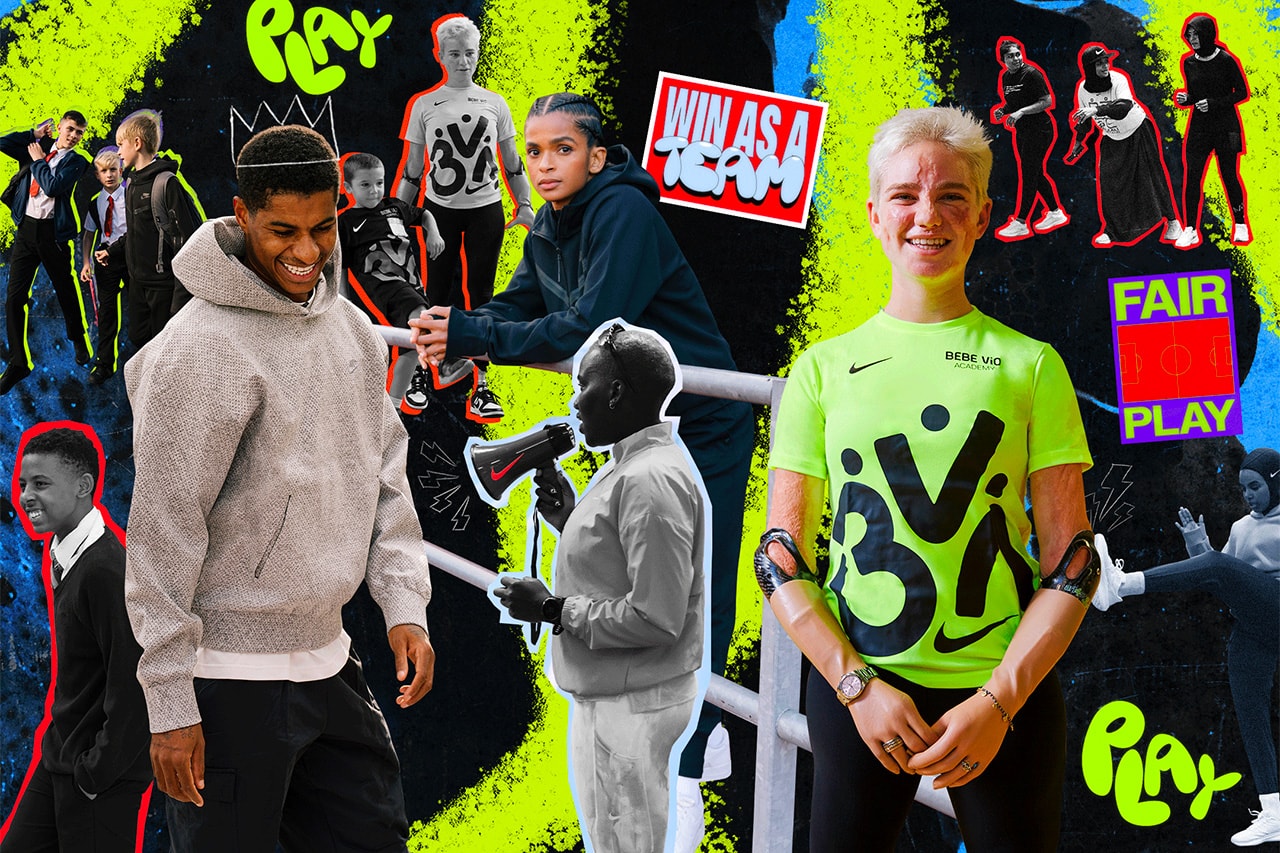
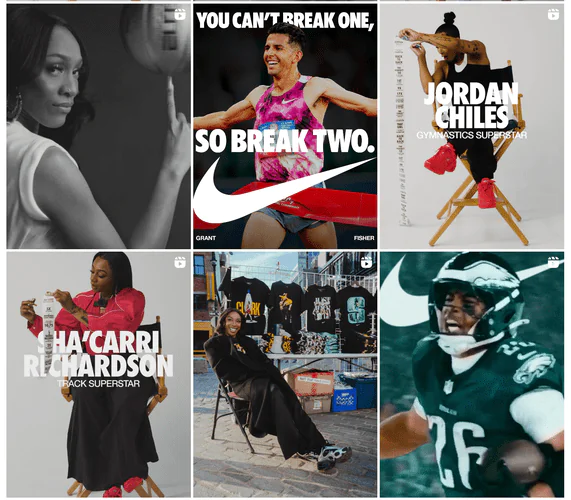
Brand: Nike
Nike partners with athletes and lifestyle creators to maintain brand authenticity. This is one of the best influencer marketing campaigns because it prioritizes alignment over follower count.
Key takeaway: Authenticity > follower count.
This aligns with broader social proof strategies that influence buying decisions beyond paid ads.


Brand: Nykaa
Nykaa works with Indian beauty creators to drive festival sales and product launches.
India-specific insight: Tier-2 creators often outperform metro mega-creators in conversions, making them strong influencer campaign examples for regional targeting.
If you’re wondering how to run an influencer marketing campaign, follow this structured approach.
Decide whether your influencer marketing campaign is focused on:
Clear goals determine influencer selection and content style.
Focus on:
Micro-influencers often drive better engagement than mega influencers in many influencer campaigns.
Here’s how you can calculate engagement rate accurately before selecting creators.
If you’re learning how to create a successful influencer marketing campaign, your brief should include:
A clear brief increases the chances of running successful influencer marketing campaigns.
Track:
Understanding how to track influencer marketing campaigns is essential for improving ROI.
If you’re running paid amplification alongside influencer campaigns, understanding Facebook ads performance metrics becomes critical.
Top-performing influencer content can be reused for:
This strategy strengthens long-term returns from your influencer marketing campaigns.
Repurposed influencer creatives can significantly improve paid ad performance when structured correctly.
The most successful influencer marketing campaigns share these characteristics:
Audiences respond to genuine recommendations, not scripted promotions.
The influencer’s audience must match the brand’s target market.
Influencers know their audience best. Over-controlling content reduces performance.
Without measurable KPIs, it’s impossible to evaluate success.
Strong social media influencer partnerships outperform one-time promotions.
Even the best influencer campaigns require time, consistency, and strategic planning.
If you’re unsure how to track influencer marketing campaigns, use these tools:
Measuring both direct and assisted conversions gives a clearer view of performance.
Brands often ask, which influencer marketing service is best for campaign management?
The best choice depends on your budget and scale. Influencer platforms help with:
Large brands may need enterprise solutions, while small businesses can manage campaigns manually or with mid-tier platforms.
The future of influencer marketing examples will include:
Brands investing in authentic storytelling and structured execution will continue building the most impactful influencer marketing campaigns.
Influencer marketing campaigns are more than promotional posts they are structured growth strategies built on trust, storytelling, and measurable performance.
Whether you are studying examples of influencer marketing, planning new campaigns for influencers, or analyzing influencer marketing campaign examples, success depends on:
When strategy meets authenticity, brands create best influencer marketing campaigns that deliver both visibility and revenue growth.
An influencer marketing campaign is a planned collaboration between a brand and content creators to promote a product or service through social media content. It includes defined goals, deliverables, timelines, and performance tracking to measure engagement, traffic, and conversions.
An influencer marketing campaign works by partnering with creators whose audience matches a brand’s target market. The influencer produces sponsored content, shares it with their followers, and drives engagement or sales through links, discount codes, or direct calls to action.
Micro-influencers often generate higher engagement rates and stronger audience trust compared to larger influencers. They are cost-effective and ideal for niche targeting, making them highly effective for brands with limited budgets.
Instagram, YouTube, TikTok, and LinkedIn are among the most effective platforms for influencer marketing campaigns. The best platform depends on the brand’s target audience, product category, and campaign objective.
Brands measure influencer marketing campaigns using engagement rate, reach, impressions, click-through rate, conversions, cost per acquisition, and return on investment. Tracking tools include affiliate links, custom discount codes, and UTM parameters for accurate performance analysis.

Siddharth built two bootstrapped companies from the ground up: Vaizle and XOR Labs. He’s personally managed over Rs 100cr in ad budget across eCommerce, D2C, ed-tech, and health-tech segments. Apart from being a full-time marketer, he loves taking on the challenges of finance and operations. When not staring at his laptop, you’ll find him reading books or playing football on weekends.
Connect your marketing channels, ask questions, compare performance, and get reports without jumping between dashboards.
Copyright @VAIZLE 2026
